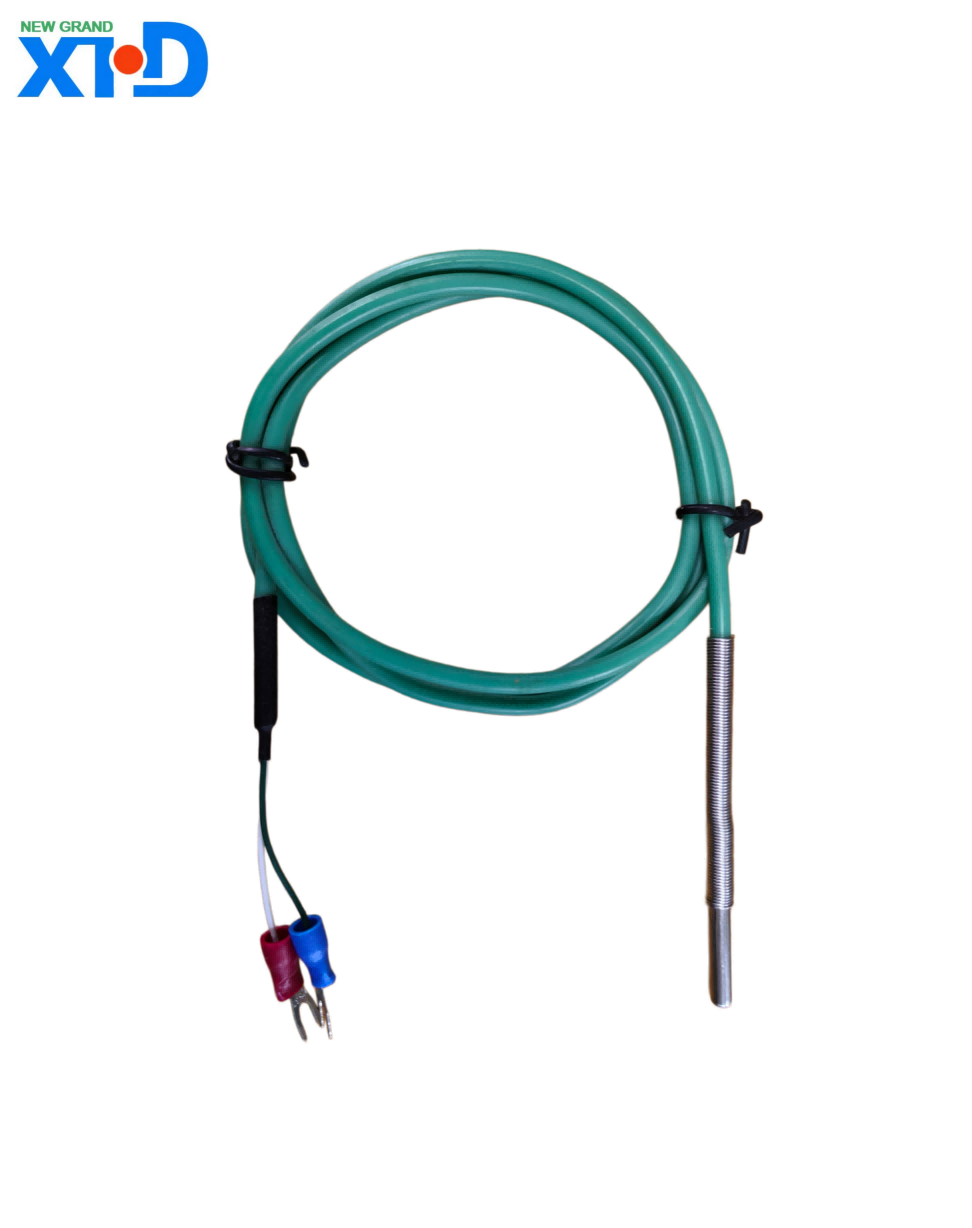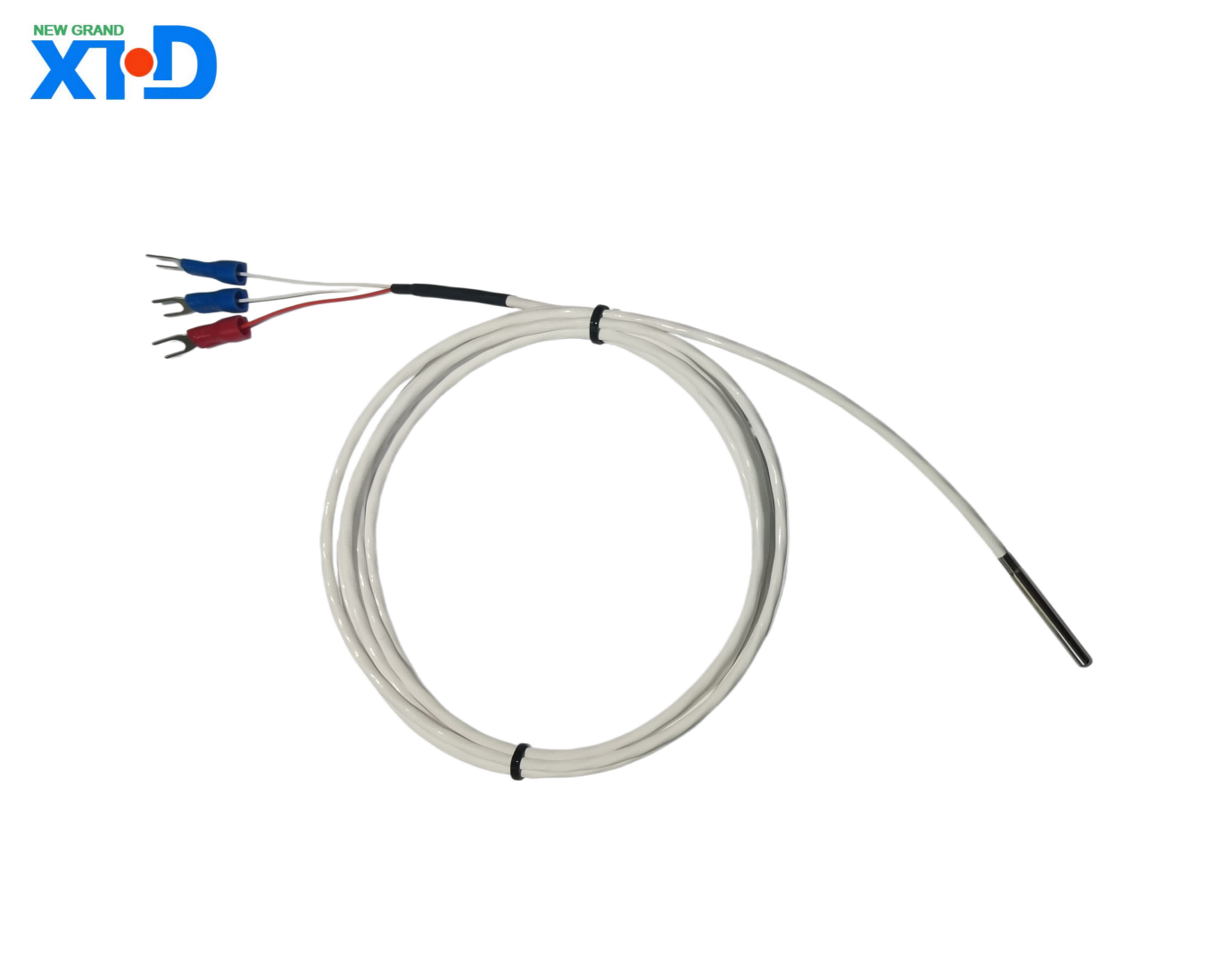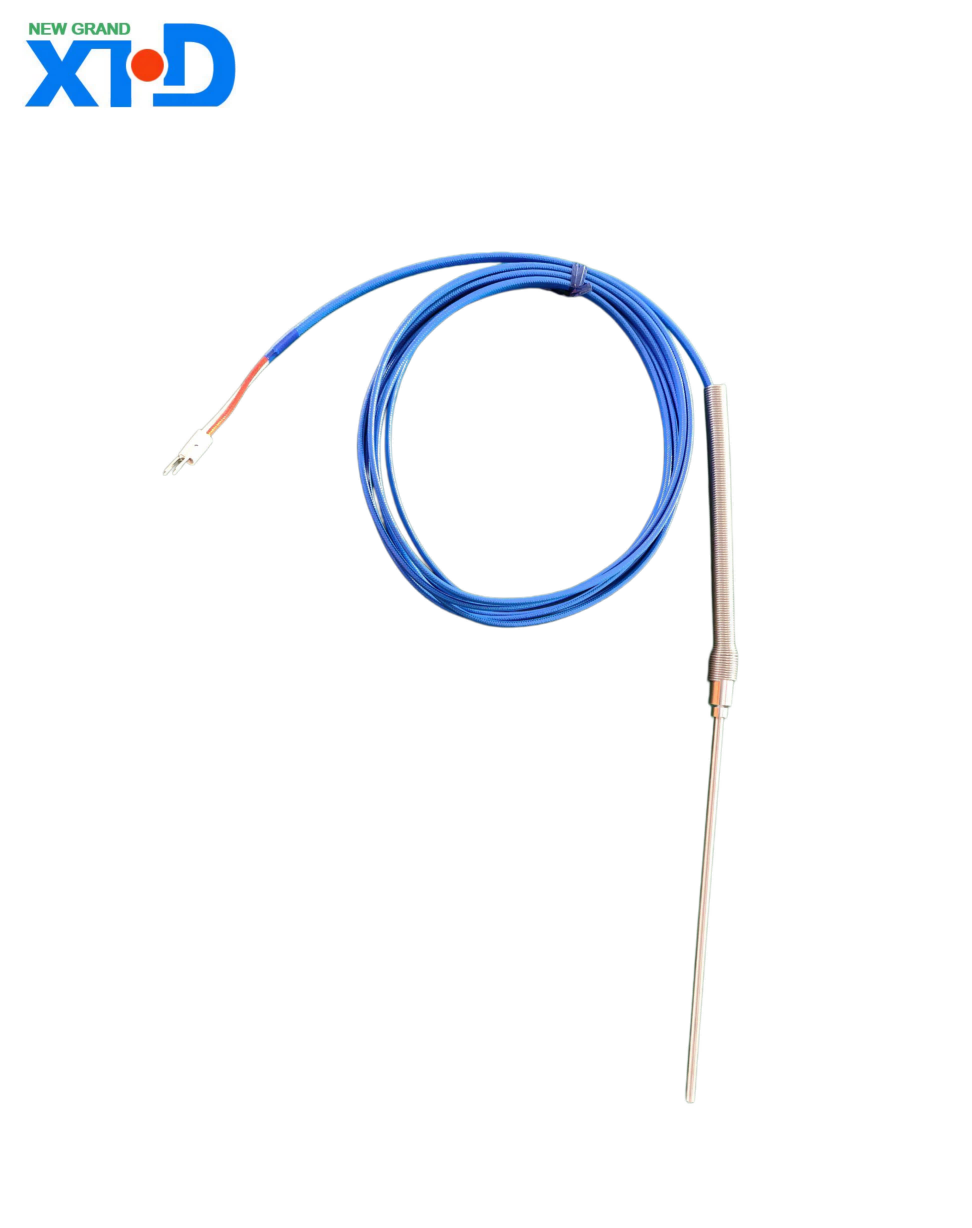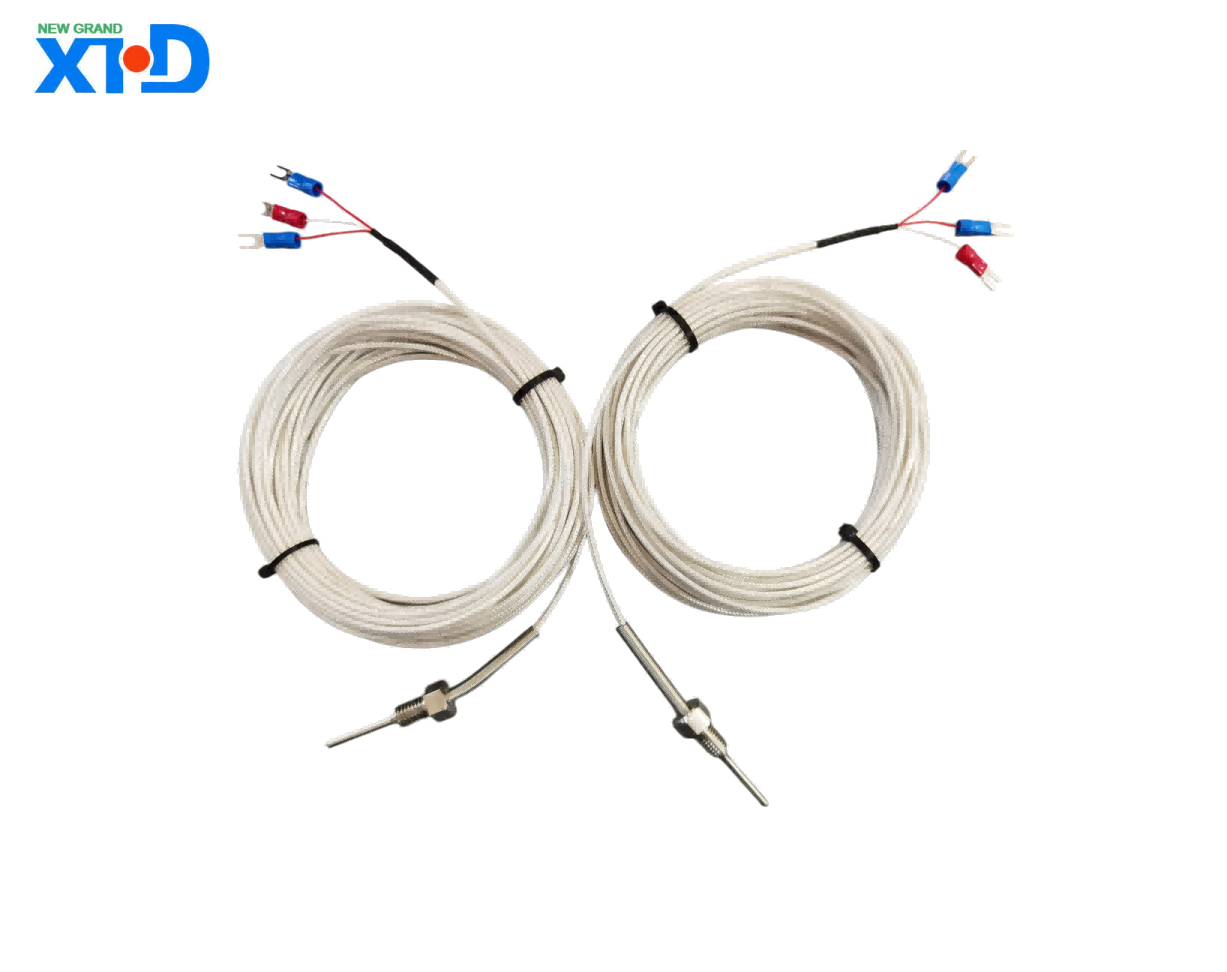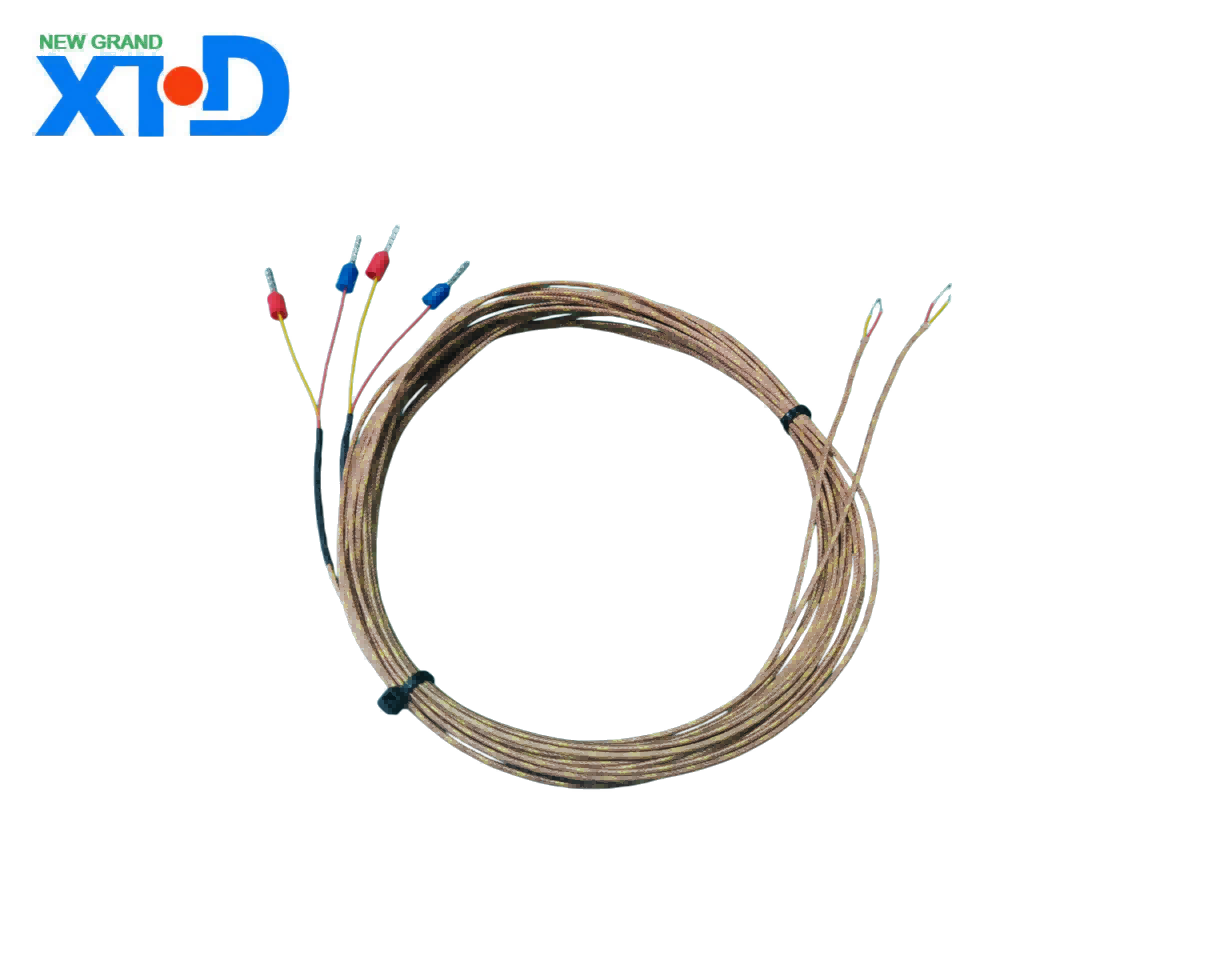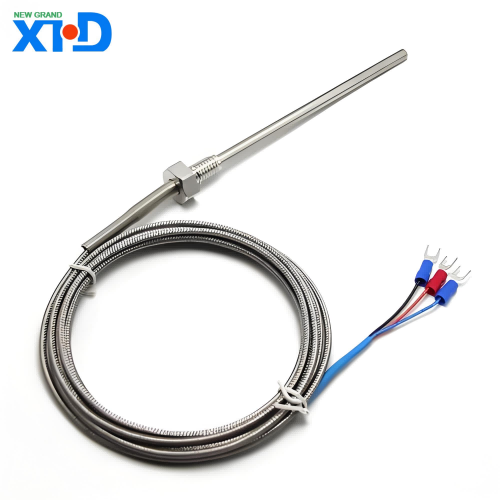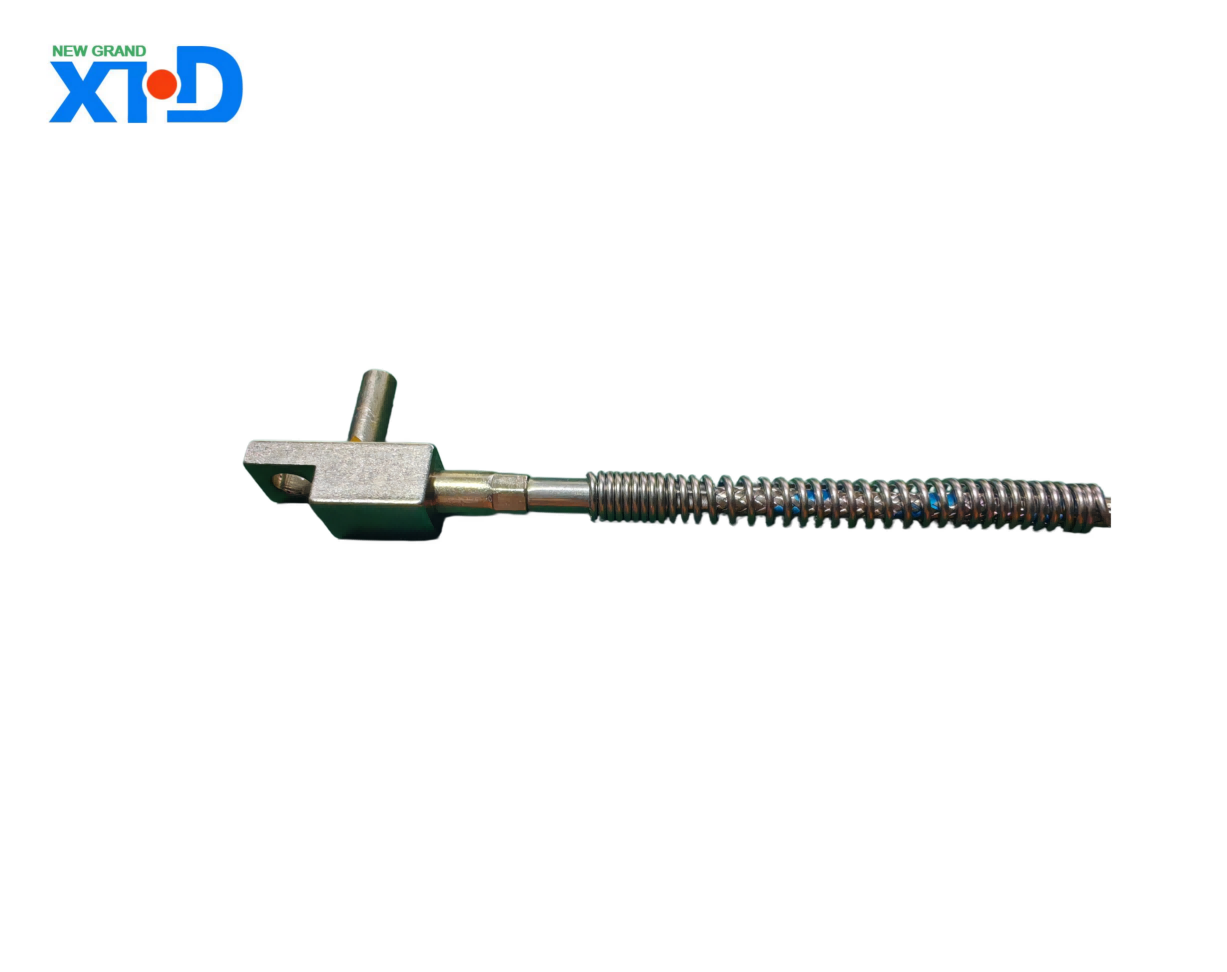
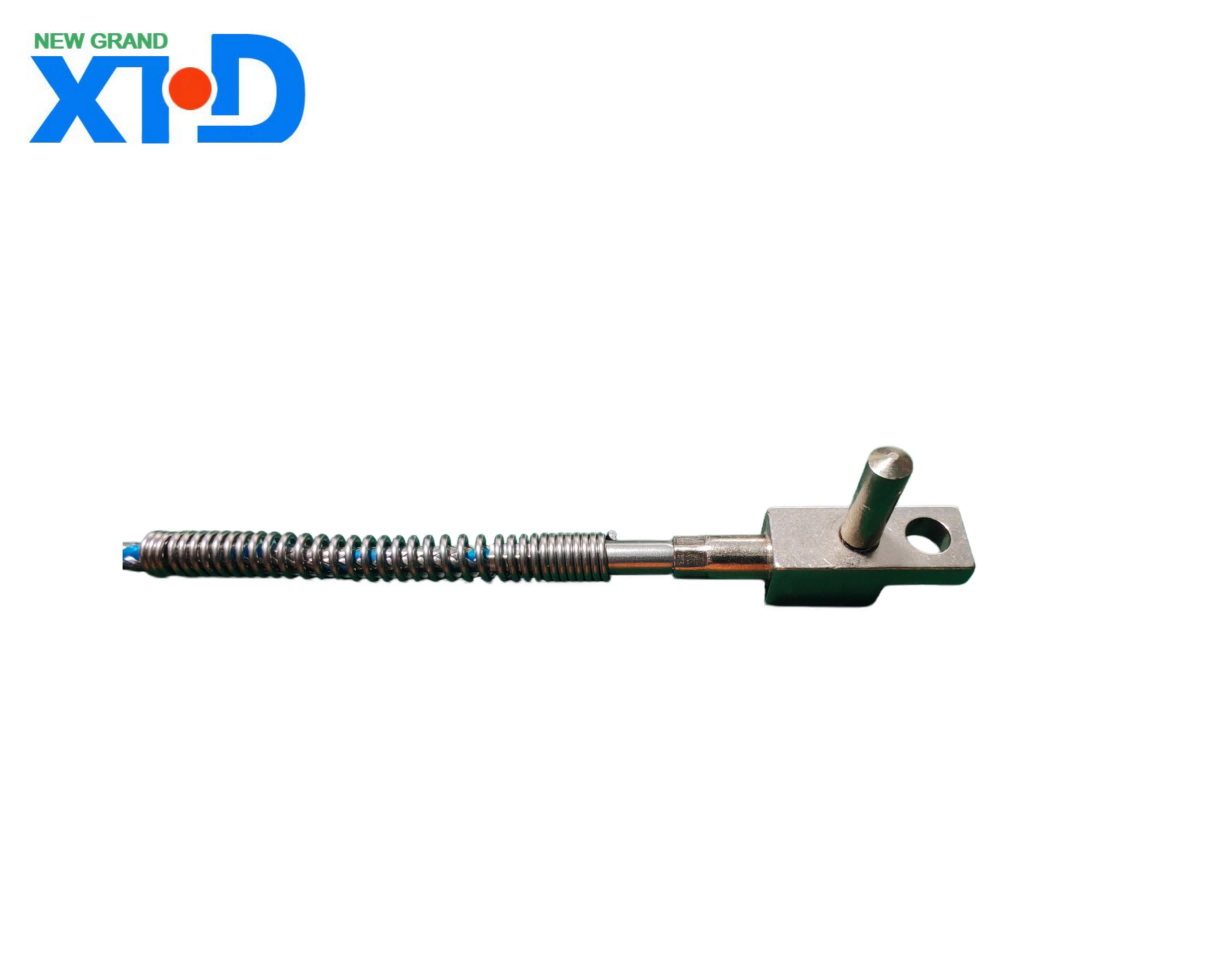
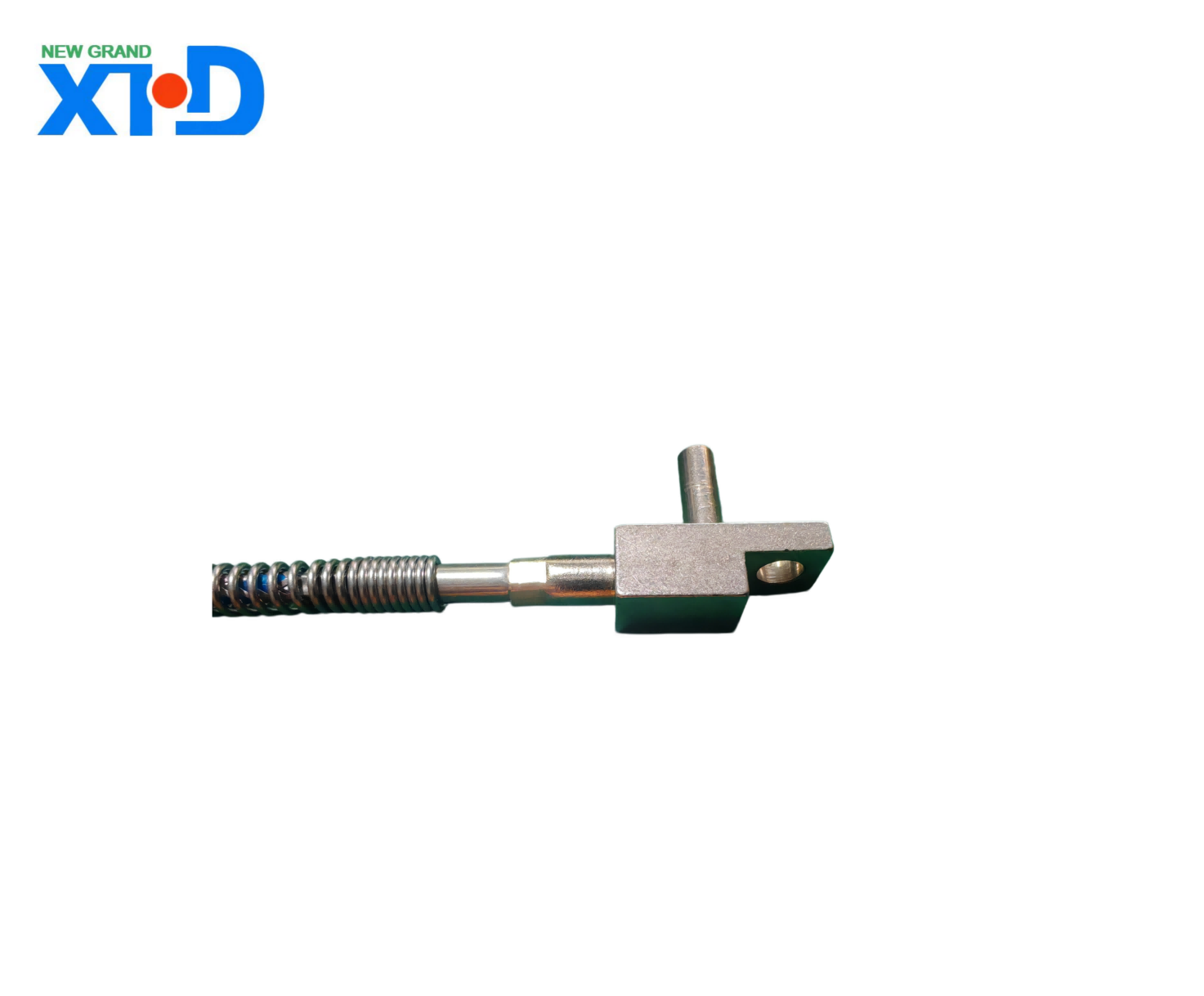
Surface mount thermocouple is a flat type temperature measurement device formed by combining a temperature sensor with a surface mount component, which can directly measure the temperature in the range of 0 ℃ -1300 ℃. It is often used in conjunction with display instruments, recording instruments, electronic computers, etc. Due to its short thermal response time, flexible installation, and close contact temperature measurement accuracy, it is widely used for temperature measurement on the surfaces of flat metal equipment, pipe fittings, electronic components, circuit boards, and other objects. It plays an important role in many industries such as power, metallurgy, electronics, chemical, and medical.
Product Specification for Surface mounted Thermocouples
1、 Product Overview
Surface mount thermocouple is a flat type temperature measurement device formed by combining a temperature sensor with a surface mount component, which can directly measure the temperature in the range of 0 ℃ -1300 ℃. It is often used in conjunction with display instruments, recording instruments, electronic computers, etc. Due to its short thermal response time, flexible installation, and close contact temperature measurement accuracy, it is widely used for temperature measurement on the surfaces of flat metal equipment, pipe fittings, electronic components, circuit boards, and other objects. It plays an important role in many industries such as power, metallurgy, electronics, chemical, and medical.
2、 Product model and classification
(1) Classified by installation method
Gasket assembly type: including three sub types of adhesive fixation, adhesive fixation, and bolt fixation, suitable for fixed installation requirements under different working conditions. The adhesive fixed version is easy to install without the need for additional tools, suitable for temporary or light load scenarios; Adhesive fixation is firm and suitable for surfaces that are relatively flat and have certain stability requirements; The bolted fixed version can cope with harsh working conditions such as vibration and high temperature, ensuring that the measuring components do not fall off.
Handheld/Surface Temperature Probe Type: With a compact appearance, it is easy to operate handheld and suitable for rapid and multi-point temperature measurement of objects at different locations. It is commonly used in equipment maintenance, on-site inspections, and other scenarios.
(2) Classify by division number
Covering multiple scale marks such as K, E, J, T, Pt100, etc., different scale marks correspond to different temperature measurement ranges and characteristics:
K division number: The temperature measurement range is 0 ℃ -600 ℃, with good linearity of thermoelectric potential, strong antioxidant capacity, and moderate cost. It is the most widely used type in the industrial field, suitable for high-temperature oxidative environments such as metallurgy and petrochemicals.
E division number: The temperature measurement range is -200 ℃ -400 ℃, and the thermoelectric potential is the highest among commonly used thermocouples. It has high sensitivity and is not very sensitive to high humidity gas corrosion. It is suitable for environments with high humidity, such as food processing, pharmaceuticals, and other industries.
J division number: The temperature measurement range is 0 ℃ -750 ℃, with good linearity, large thermoelectric potential, and low price. It can be used in vacuum, oxidation, reduction, and inert gas environments. However, the positive electrode iron oxidizes quickly at high temperatures, and the upper limit of the operating temperature is limited.
T division number: The temperature measurement range is -200 ℃ -350 ℃, with excellent linearity and good stability. It is particularly suitable for use in the low temperature range of -200 ℃ -0 ℃ and is commonly used in low-temperature research, cold chain logistics, and other fields.
Pt100 scale: Temperature measurement range is -200 ℃ -450 ℃, using high-quality imported thin film resistors with high measurement accuracy and strong stability. It is suitable for scenarios that require strict temperature measurement accuracy, such as precision electronic manufacturing, laboratory testing, etc.
3、 Technical parameters
(1) Temperature measurement accuracy
Level II accuracy: The K, E, J, and T scale marks are within the range of -40 ℃ to 300 ℃, with a tolerance of ± 2.5 ℃; The allowable deviation of Pt100 scale within the range of -200 ℃ -0 ℃ is ± 0.3 ℃, and the allowable deviation within the range of 0 ℃ -450 ℃ is ± 0.3 ℃ or ± 0.005 | t | ℃ (whichever is greater).
Special precision level: Products with higher precision levels can be provided according to customer needs, and specific parameters need to be customized and communicated.
(2) Thermal response time
τ0.5≤10S, Capable of quickly sensing temperature changes, effectively reducing dynamic errors, and ensuring timely capture of temperature fluctuations.
(3) Insulation resistance
For thermocouples with a length exceeding 1m, the product of the insulation resistance value at room temperature and its length should not be less than 100M Ω· m.
For thermocouples with a length of 1m or less, the insulation resistance value at room temperature should not be less than 100M Ω to ensure stable transmission of measurement signals and avoid interference.
(4) Mechanical performance
Flexibility: The product has good overall flexibility and can be freely bent, with a minimum bending radius of up to 50mm (slightly different depending on the model and length), making it easy to fit complex surfaces for temperature measurement.
Mechanical strength: The shell is made of high-strength metal material, with excellent compressive and impact resistance, and can withstand a certain degree of external collision and compression, adapting to harsh industrial site environments.
(5) Electrical performance
Thermal potential stability: Within the specified temperature range, the annual rate of change of thermal potential does not exceed ± 0.1%, ensuring the accuracy and reliability of long-term measurements.
Wire resistance: The wire resistance varies depending on the length of the wire, and generally does not exceed 1 Ω per meter to avoid measurement accuracy being affected by excessive wire resistance.
4、 Product Structure
(1) Measurement end
Using a special welding process to weld two different materials of thermoelectric electrodes together to form a measuring contact, ensuring close contact with the surface of the object being measured and improving temperature measurement accuracy. Some models of measuring ends are also equipped with protective sleeves to prevent corrosion and wear, extending their service life.
(2) Surface mount encapsulation layer
Select materials with high temperature resistance and good insulation performance as the encapsulation layer to isolate the thermoelectric electrode from the external environment, while ensuring the flatness of the product, so that it can better adhere to the tested surface. The thickness of the encapsulation layer is uniform, generally between 0.5mm and 2mm, which ensures the lightweight of the product and provides sufficient protection.
(3) Wires and connection terminals
The multi stranded high temperature resistant insulated conductor is used as the conductor, which has good flexibility and anti-aging performance. The connection end is equipped with standard connectors such as aviation plugs, wiring terminals, etc., which facilitate quick connection with display instruments, control systems, and other equipment, and the connection is firm and not easy to loosen.
5、 Installation and use
(1) Installation method
Adhesive fixation: Clean the surface to be tested, remove the adhesive protective film, stick the patch thermocouple in the designated position, and press it with your hand for a moment to ensure a firm adhesion. This method has a fast installation speed, but is not suitable for high temperature and high vibration environments.
Adhesive fixation: Apply specialized adhesive evenly on the tested surface and the back of the patch thermocouple, bond the two together, and cure according to the curing requirements of the adhesive. This method has high adhesive strength and is suitable for long-term fixed installation.
Bolt fixation: Using the reserved installation holes on the product, the surface mount thermocouple is fixed to the measured object with bolts, suitable for scenarios with high vibration and high requirements for installation stability.
Handheld measurement: Hold the probe directly and place the measuring end tightly against the surface being measured for measurement. After the measurement is completed, move it away in a timely manner to avoid long-term high temperature damage to the probe.
(2) Precautions for use
Before installation, it is necessary to check whether the appearance of the product is intact, whether the wires are damaged, and whether the insulation resistance meets the requirements.
Ensure that the measuring end is in close contact with the surface being measured during measurement, avoiding any gaps that may affect measurement accuracy.
Avoid using in strong electromagnetic interference environments. If unavoidable, shielding measures should be taken to prevent measurement signals from being interfered with.
Use according to the temperature measurement range of the product, and it is strictly prohibited to measure beyond the range to avoid damaging the product.
Regularly calibrate the product to ensure measurement accuracy. The recommended calibration cycle is 1-2 years, which can be adjusted according to the frequency of use and accuracy requirements.
6、 Transportation and Storage
(1) Transportation
The product adopts anti-static and shockproof packaging. During transportation, violent collisions, squeezing, and falling should be avoided to prevent product damage. At the same time, attention should be paid to moisture and waterproofing to avoid the product being affected by moisture and affecting electrical performance.
(2) Storage
It should be stored in a dry and ventilated environment with a temperature of -10 ℃ -40 ℃ and a relative humidity of no more than 80%, away from corrosive substances such as strong acids and alkalis, as well as strong electromagnetic radiation sources. During storage, it is necessary to regularly check whether the packaging is intact and whether the product is damp or damaged.
7、 After sales service
From the date of sale, if there are any quality problems during normal use, the product can enjoy a 12-month free warranty service.
During the warranty period, if it is confirmed through testing that the product is a quality issue, our company will provide free repair or replacement of the product for the customer; We will provide paid repair services for malfunctions caused by human damage, improper use, or force majeure factors.
Provide lifelong technical support to customers, including product selection guidance, installation and debugging consultation, user training and other services, to ensure that customers can use the product correctly and efficiently.