

For industrial applications using Cartridge Heaters, this design helps reduce temperature fluctuations and improves heating consistency. The result is smoother operation, better energy management, and fewer issues caused by overheating or insufficient heating.
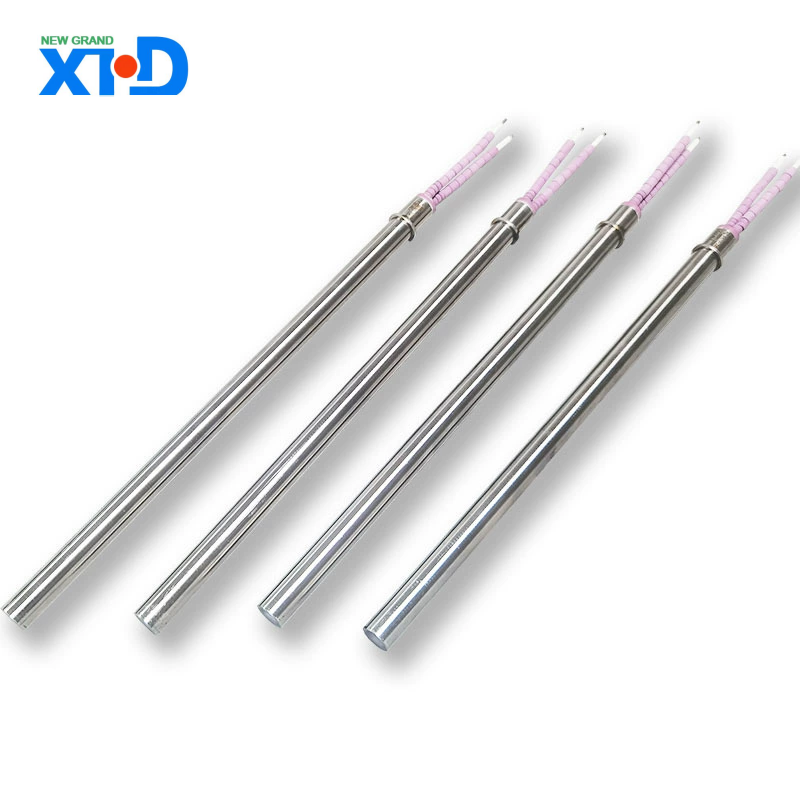
As the core component in industrial high-temperature heating scenarios, High Temperature Cartridge Heater are widely used in fields such as die-casting molds, high-temperature hot pressing, and heat treatment of special materials. The rationality of their selection directly determines heating efficiency, product qualification rate, and equipment service life. This article systematically outlines the selection specifications for High Temperature Cartridge Heater from four dimensions: parameter matching, material selection, condition adaptation, and installation design. It aims to help enterprises avoid selection pitfalls and ensure long-term stable operation of the heating system.
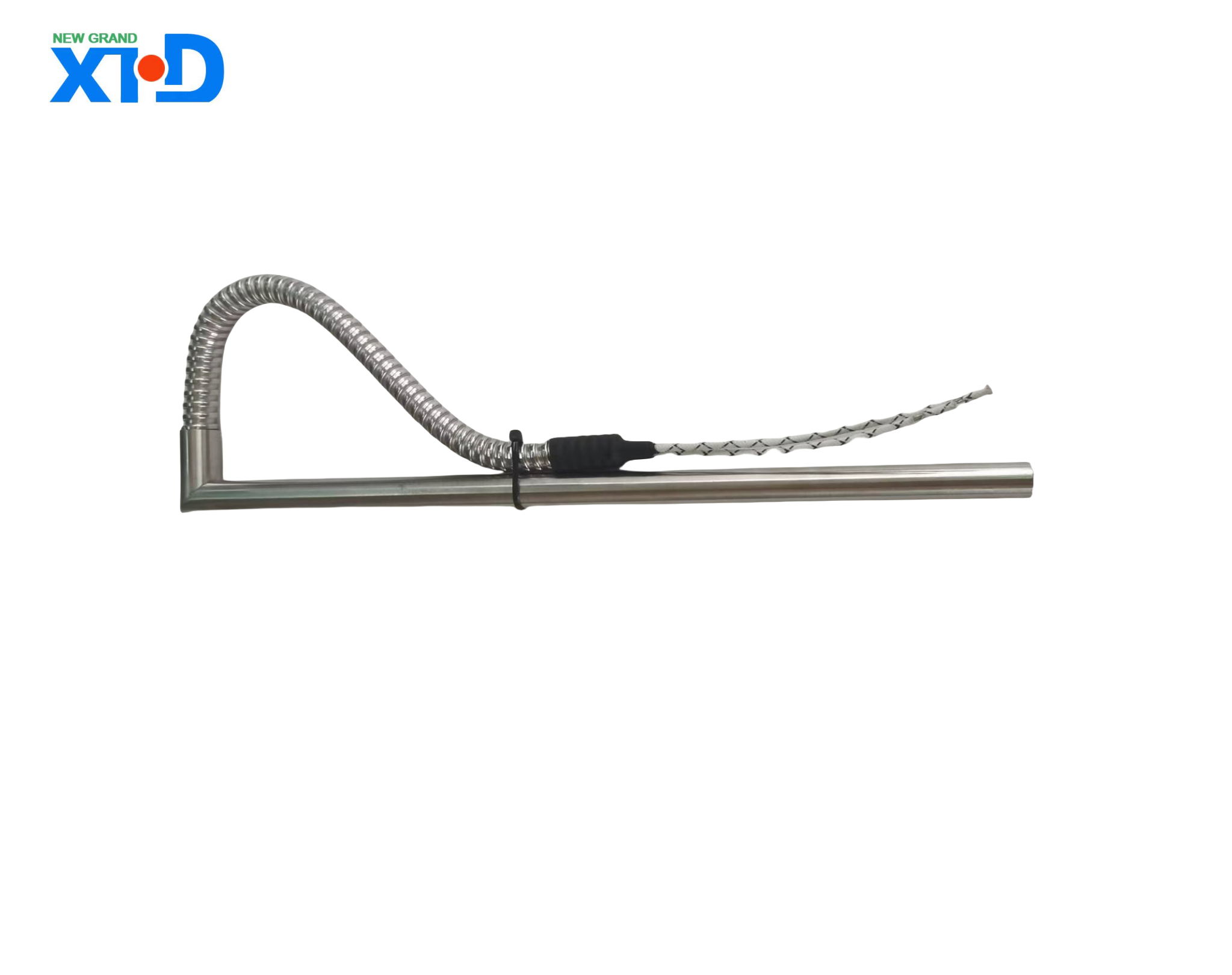
Wire Protected Cartridge Heater are a subdivision of single-head electric heating tubes. By adding special protective structures to the outgoing wires, their stability and service life under complex working conditions such as high temperature, humidity, and vibration are improved. Proper selection can not only meet production needs but also reduce subsequent maintenance costs and avoid frequent tube burnout failures. This article will provide you with clear selection references from four aspects: structural characteristics, core selection dimensions, scene adaptation, and key points to avoid pitfalls.
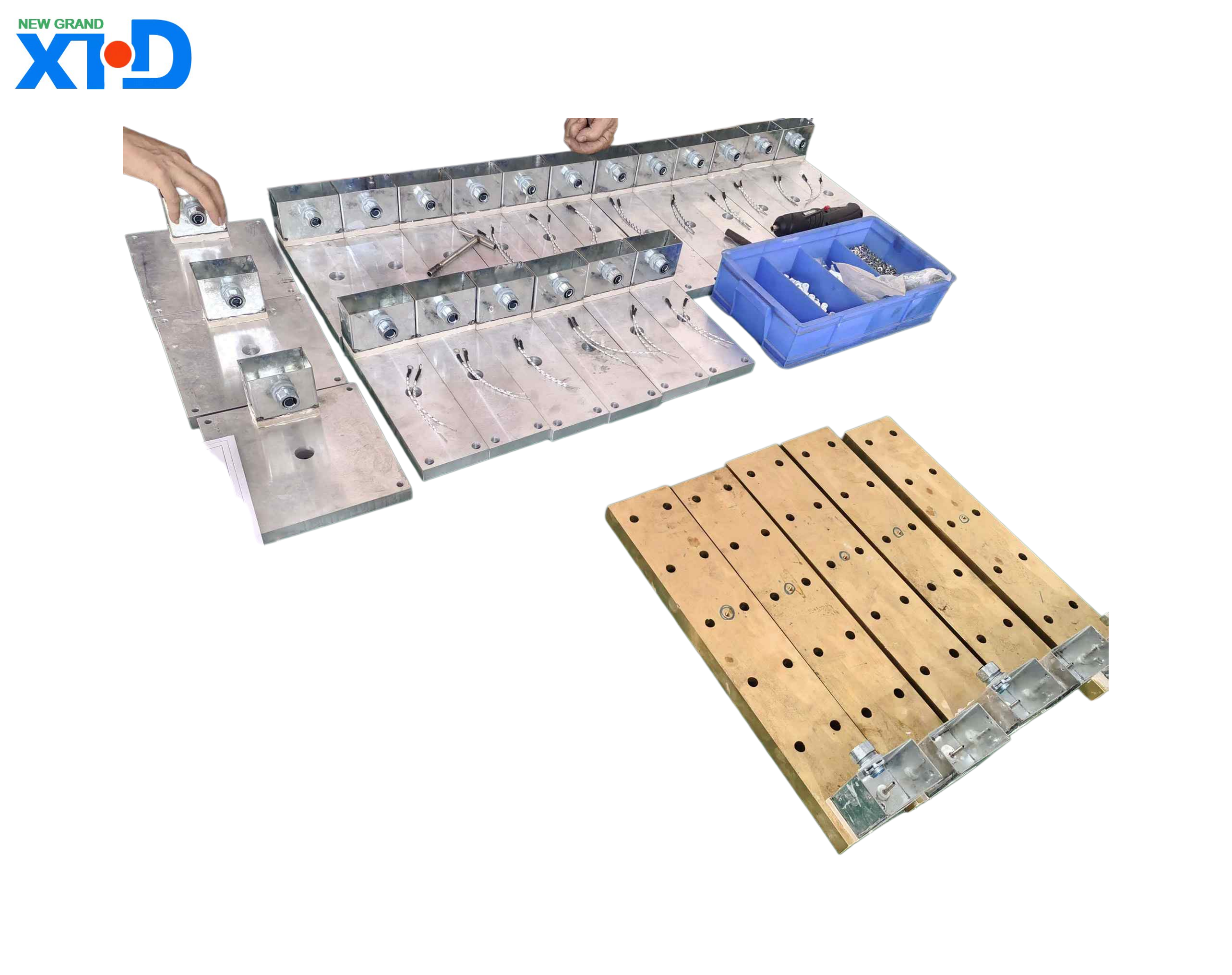
1. Clarify Your Own Needs (1) Determine the Application Scenario Cast copper heating plates have a wide range of applications, and the performance requirements vary significantly depending on the scenario: Industrial Production Scenario: In equipment such as plastic machinery, die heads, and cable machinery, cast copper heating plates need to provide a continuous and stable high-temperature heat source, with extremely high requirements for temperature uniformity and service life; the chemical and petroleum industries focus on their corrosion resistance and explosion resistance; food processing, medical, and healthcare fields pay more attention to the hygiene and safety of the heating plates and their ability to precisely control temperature.
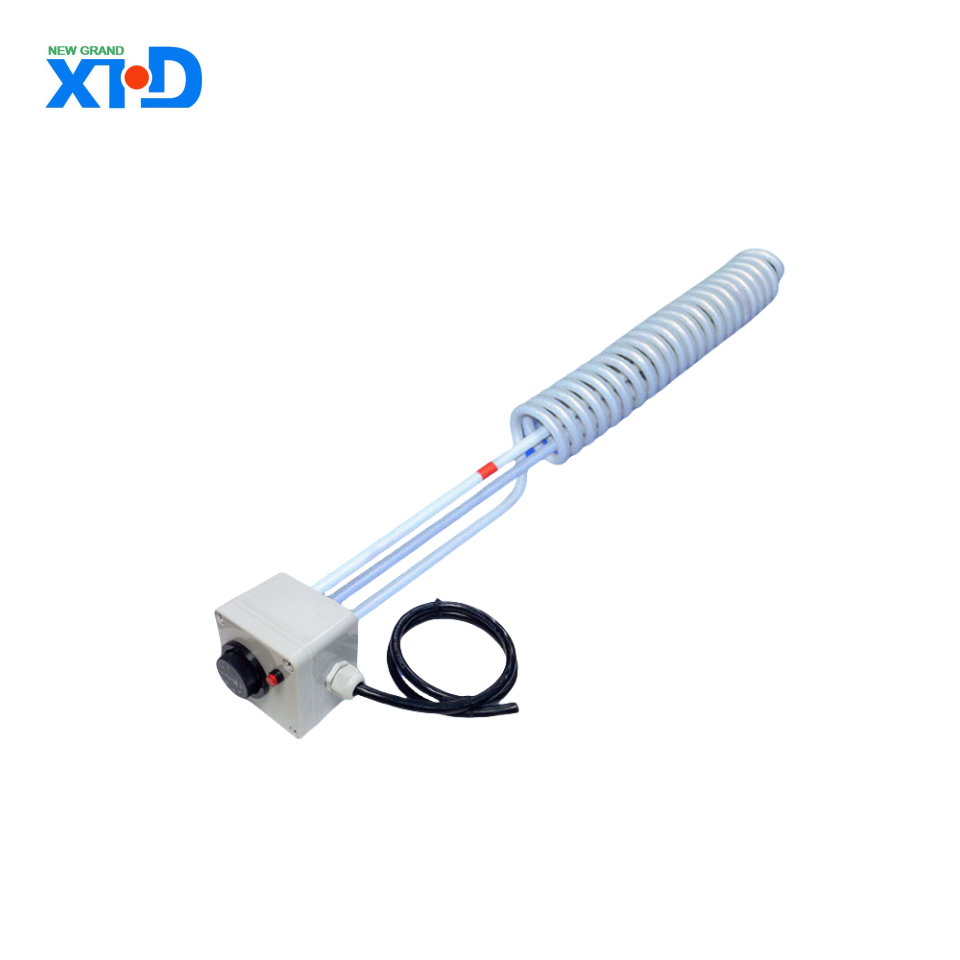
Teflon heater, also known as PTFE heater or polytetrafluoroethylene (PTFE) heater, abbreviated as PTFE, Teflon, F4, etc., is an industrial equipment designed specifically for various corrosive liquid heating scenarios. Its core material, polytetrafluoroethylene, has high chemical stability and can work stably in most corrosive media such as strong acids, alkalis, and oxidants. It is only intolerant to a few media such as elemental fluorine and molten alkali metals at high temperatures and is widely used in semiconductor clean rooms, electroplating, chemical, acid pickling, pharmaceuticals, and other industries.
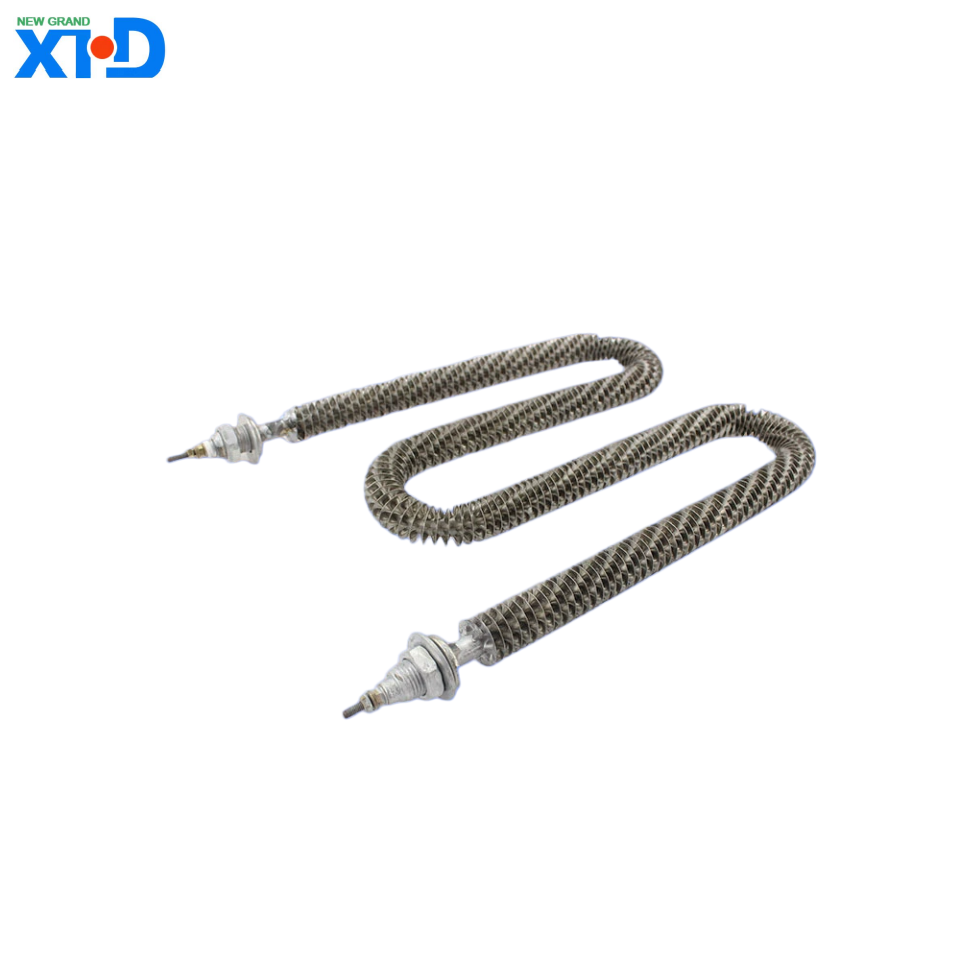
Finned Air Heater are widely used in various fields such as industrial manufacturing, HVAC, food processing, aerospace, etc. due to their high heat transfer efficiency and compact structural design. Scientific and reasonable selection can not only ensure stable operation of equipment, but also effectively improve energy utilization efficiency and reduce operation and maintenance costs. The following will provide you with comprehensive reference for the selection of finned heaters from multiple dimensions, including core operating condition analysis, fin and pipe selection, structural design considerations, material and anti-corrosion matching, and operating cost accounting.