
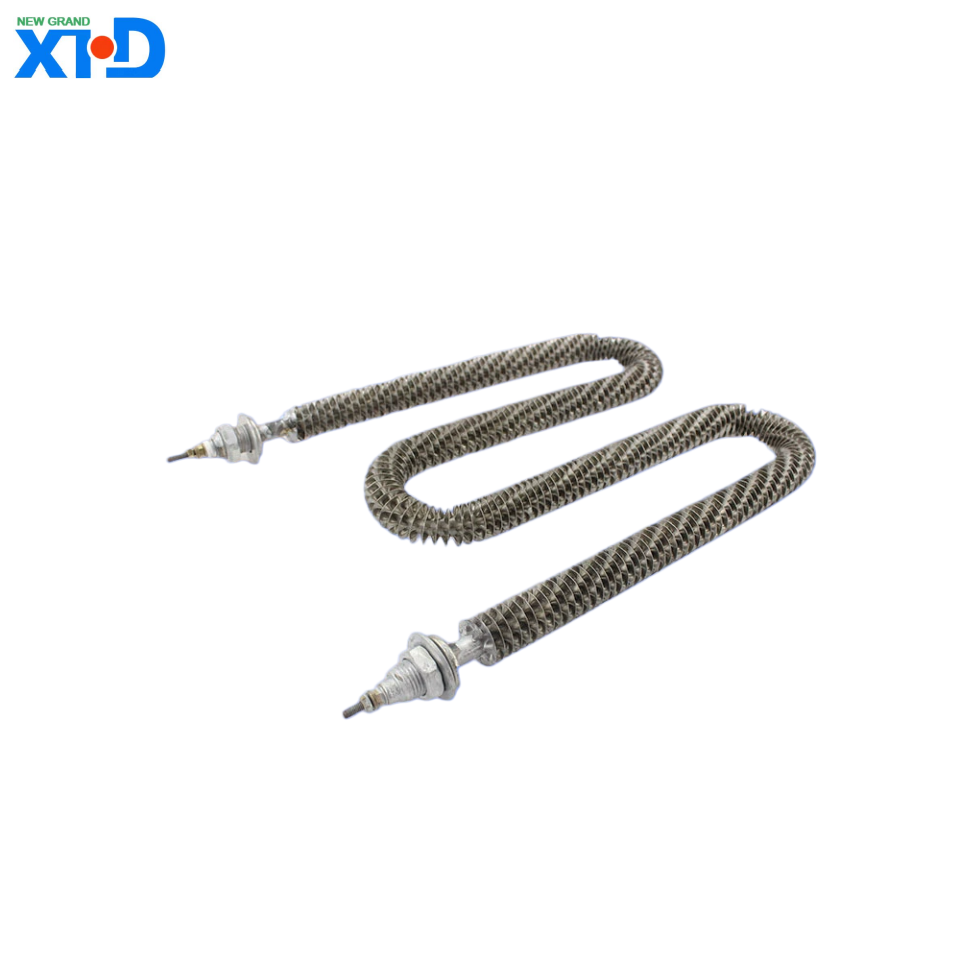
Finned Air Heater are widely used in various fields such as industrial manufacturing, HVAC, food processing, aerospace, etc. due to their high heat transfer efficiency and compact structural design. Scientific and reasonable selection can not only ensure stable operation of equipment, but also effectively improve energy utilization efficiency and reduce operation and maintenance costs. The following will provide you with comprehensive reference for the selection of finned heaters from multiple dimensions, including core operating condition analysis, fin and pipe selection, structural design considerations, material and anti-corrosion matching, and operating cost accounting.
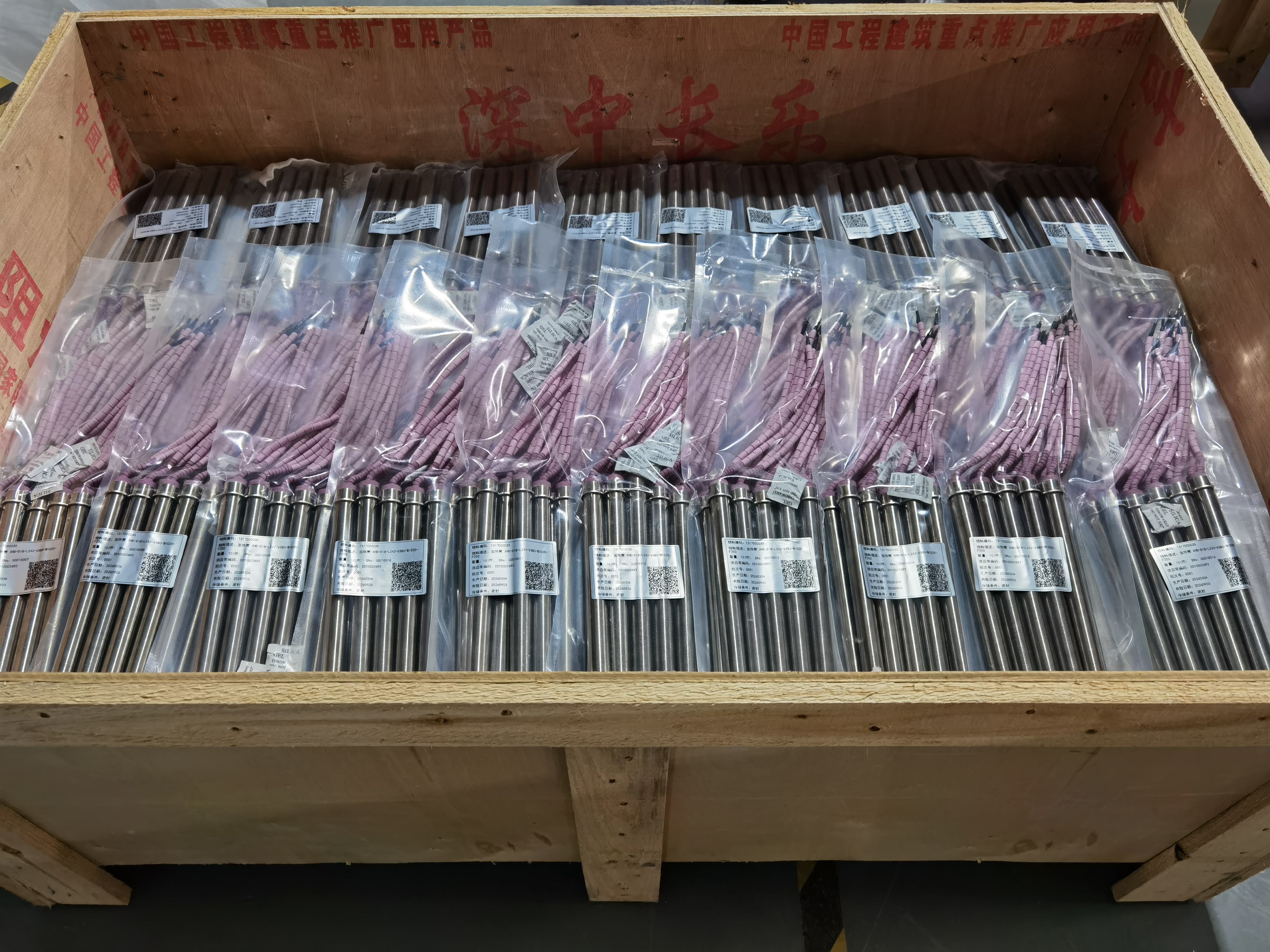
Recently, our company successfully completed the production and testing of a batch of high-end single head electric heating tubes customized for Danish customers. The products have entered the final packaging stage and will soon be sent to Denmark. This is another international cooperation of our company in the field of high-end industrial heating elements, demonstrating the recognition of our products in the international market.
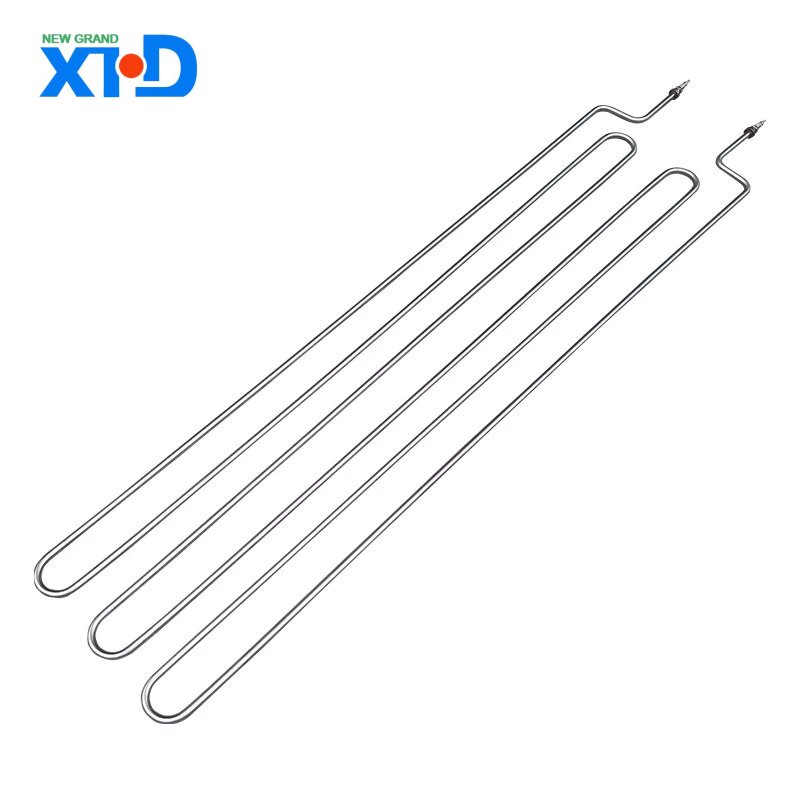
In many fields such as industrial production, food processing, and electronic manufacturing, Air Heaterss are key equipment for achieving precise temperature control and improving production efficiency. Choosing the right Air Heaters can not only ensure stable production operation, but also reduce energy consumption and extend equipment service life. The following will provide you with professional selection references from multiple dimensions such as core parameters, material matching, structural selection, and special scene adaptation.
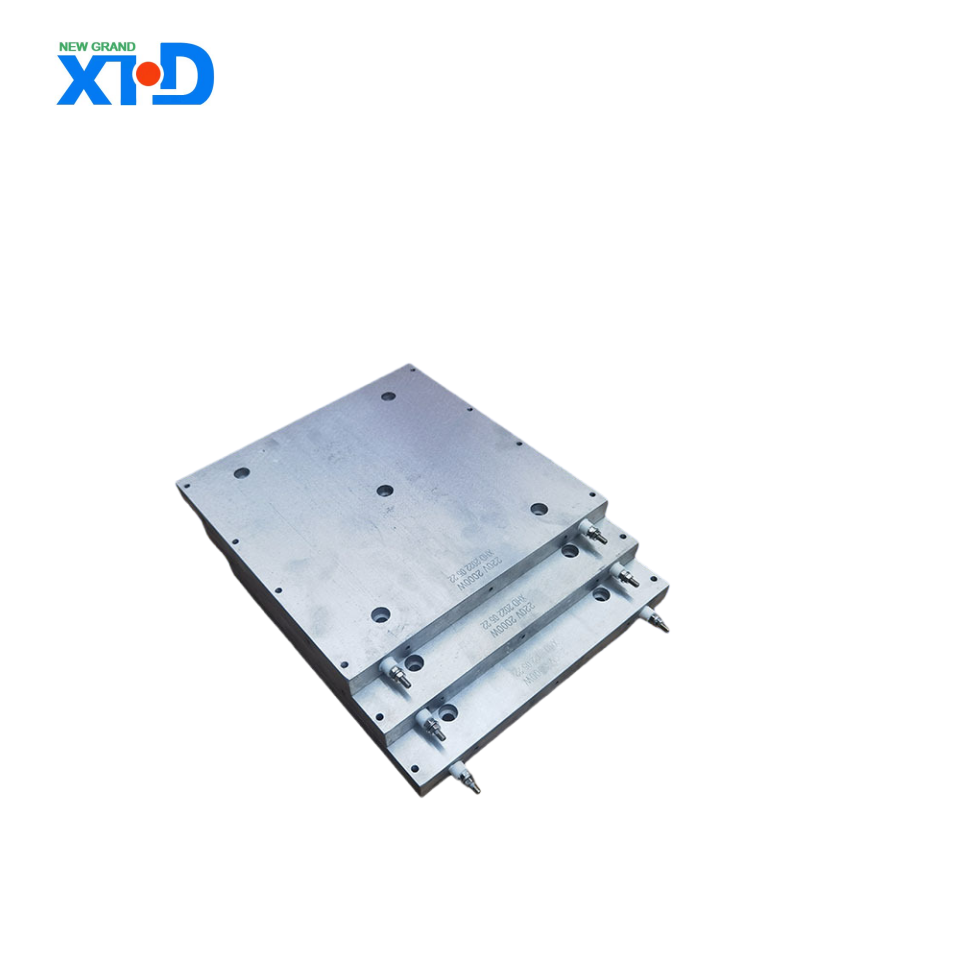
Casting Aluminum Heater is an electric heating device that uses tubular electric heating elements as heating elements, bends and shapes them into molds, and then encapsulates them with high-quality aluminum alloy materials through centrifugal casting technology. It can tightly adhere to the heated object, achieving efficient and uniform heat transfer, with a surface load of up to 2.5-4.5 W/cm ², and a maximum working temperature usually between 300-500 ℃. It has many advantages such as high thermal efficiency, long service life, corrosion resistance, and magnetic field resistance, and is widely used in industrial production, household appliances, laboratory equipment, and other fields.
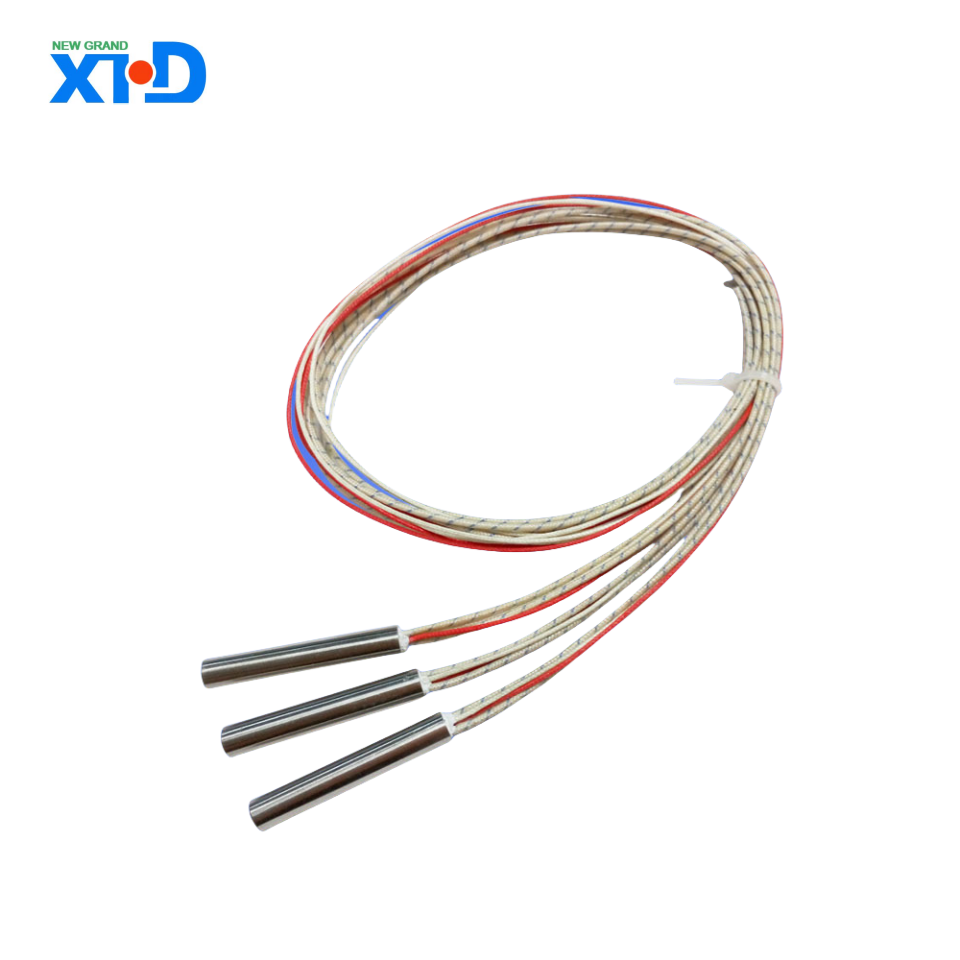
The Simple Heater With Sensor is an industrial heating device that integrates thermocouple temperature measuring elements on the basis of ordinary single head electric heating tubes, with dual functions of efficient heating and precise temperature control. It has the advantage of a single head outlet structure, which is suitable for heating scenarios such as mold drilling where two ends cannot be connected. At the same time, it provides real-time temperature data feedback through thermocouples to achieve closed-loop control of the heating process. It is widely used in fields such as plastic molds, packaging machinery, pharmaceutical equipment, 3D printing, which require strict temperature accuracy.
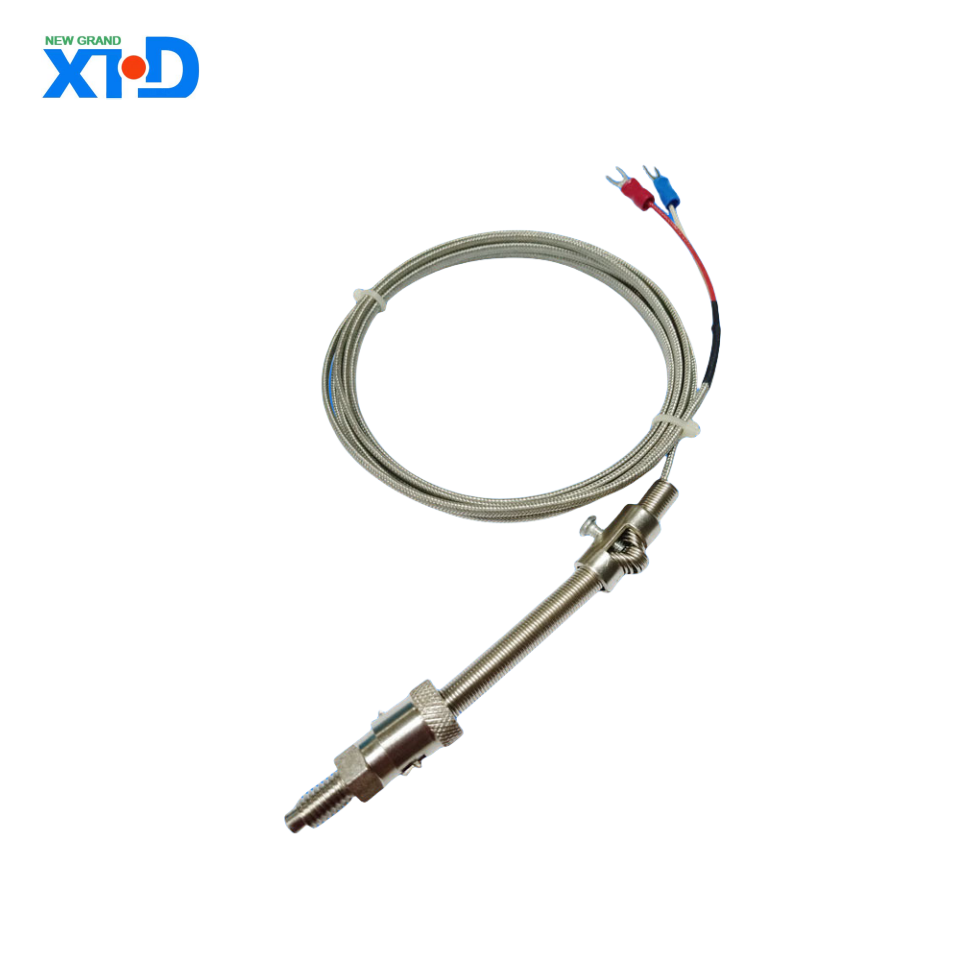
In many fields such as industrial production and scientific research experiments, thermocouples are the core components for temperature measurement. The rationality of their selection directly determines the accuracy of temperature measurement results, the service life of equipment, and production efficiency. A scientific selection plan requires comprehensive consideration of multidimensional factors such as temperature range, usage environment, accuracy requirements, response speed, etc., in order to enable thermocouples to function stably under complex working conditions.