
Industrial heating technology plays an important role in manufacturing processes that require stable temperatures, controlled heat distribution, and reliable equipment operation. Among the different heating element configurations, the L Type Cartridge Heater is used in applications where installation space, electrical connection direction, and localized heating requirements influence equipment design. Its structural arrangement provides a practical option for machinery that requires compact heating components and organized wiring layouts.
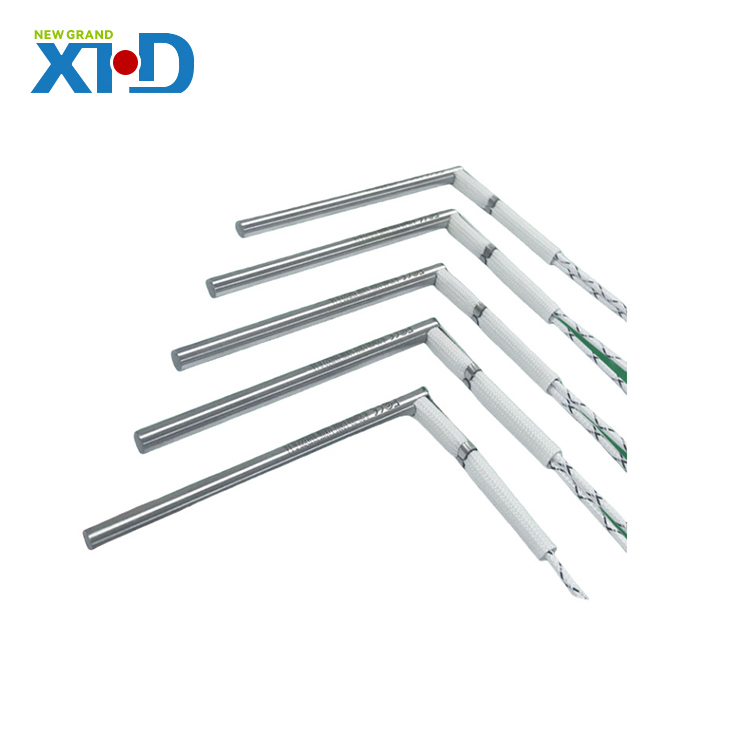
A cartridge heater generally consists of a cylindrical metal sheath, an internal resistance heating wire, electrical insulation, and connection terminals. The heating wire converts electrical energy into thermal energy, which transfers through the insulation and metal sheath to the surrounding material. This process allows heat to be delivered directly to a designated area within industrial equipment.
The L-shaped configuration primarily relates to the arrangement of the electrical leads or connection structure. Compared with a straight connection layout, this design can provide greater flexibility when the available installation space is limited or when wiring needs to follow a specific direction. The overall dimensions, terminal arrangement, and sheath construction depend on the particular heater design.
Heating efficiency is influenced by several factors, including electrical input, thermal conductivity, contact conditions, insulation quality, and temperature control. A properly fitted cartridge heater can transfer heat efficiently to a metal block, mold, or other heated component. Reducing unnecessary gaps between the heater sheath and the surrounding bore can improve thermal contact and reduce unwanted heat loss.
The L Type Cartridge Heater can also contribute to more practical equipment layouts. Its angled lead arrangement may help keep electrical connections away from nearby mechanical components, reducing wiring interference and making better use of available space. Although the L-shaped structure does not automatically increase thermal output, it can support installation conditions that allow the heating system to operate more consistently.
Cartridge heaters are commonly associated with plastic injection molding, packaging machinery, laboratory equipment, and industrial tooling. In injection molding systems, for example, heating elements are installed inside mold plates or heated blocks to maintain the temperatures required for material processing. Stable heating conditions help maintain process consistency and reduce temperature fluctuations that may affect production quality.
In compact machinery, connection direction can become an important design consideration. The L Type Cartridge Heater may be suitable for equipment where straight electrical leads would interfere with surrounding structures or require additional installation clearance. Similar considerations apply to specialized heating assemblies, automated production equipment, and temperature-controlled metal components.
Accurate temperature regulation is essential for industrial heating systems. Cartridge heaters are frequently integrated with thermocouples, temperature controllers, and other monitoring devices. These components work together to regulate electrical power and maintain a target operating temperature. Appropriate sensor positioning is important because measured temperatures may differ from the actual temperature at the heating element or workpiece.
Material selection also affects service performance. Sheath materials must withstand the operating temperature and surrounding environment, while internal insulation must provide suitable electrical isolation. Heater diameter, length, watt density, and voltage should correspond to the equipment's thermal requirements. Incorrect sizing or poor installation may lead to uneven heating, overheating, or premature component failure.
Proper installation begins with checking the bore dimensions, surface condition, and available clearance for electrical connections. The heater should fit the designated opening according to its engineering specifications. Excessive clearance can reduce heat transfer, while an unsuitable tight fit may complicate installation or removal.
Routine maintenance generally includes checking electrical connections, insulation condition, temperature response, and signs of overheating. Industrial operators may also monitor resistance values and inspect the surrounding equipment for contamination or mechanical damage. These practices help identify potential problems before they interrupt production.
As manufacturing equipment becomes more compact and automated, heating components are increasingly considered as part of the overall machine layout rather than isolated electrical parts. Connection orientation, thermal response, control compatibility, and maintenance accessibility all influence component selection. The L Type Cartridge Heater reflects this design approach by combining localized heating functionality with an angled connection arrangement.
Ultimately, industrial heating efficiency depends on the interaction between heater construction, installation accuracy, temperature regulation, and the surrounding equipment. Understanding these factors provides a clearer basis for selecting and integrating heating elements. In applications where connection direction and limited installation space are important, the L Type Cartridge Heater remains a relevant configuration in modern industrial heating systems.