
Casting heaters play a vital role in modern industrial heating systems, offering superior heat transfer, durability, and design flexibility compared to traditional heating solutions. This in-depth guide explains what casting heaters are, how they work, their key materials, applications, and—most importantly—how to choose the right casting heater for your specific industrial equipment.
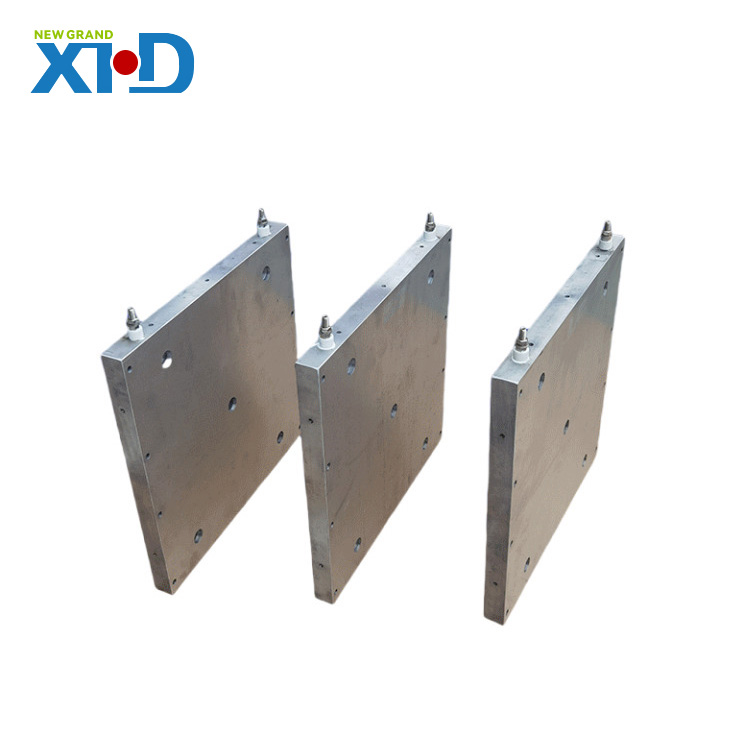
A casting heater is an industrial heating element formed by embedding resistance heating wires into a metal casting—typically aluminum, brass, or iron. The casting process ensures uniform heat distribution, excellent mechanical strength, and long service life.
Unlike exposed heaters, casting heaters are designed to integrate seamlessly with industrial equipment surfaces, delivering consistent and controlled heat even in harsh operating environments.
Casting heaters operate by converting electrical energy into thermal energy through resistance wires embedded inside the cast metal body. The metal housing then transfers heat evenly to the target surface.
This design significantly improves thermal efficiency and reduces hot spots compared to conventional heaters.
Casting heaters can be manufactured in various shapes and configurations to match different equipment designs.
| Material | Key Advantages | Typical Applications |
|---|---|---|
| Aluminum | Excellent thermal conductivity, lightweight, corrosion-resistant | Plastic extrusion, packaging machinery |
| Brass | High strength, good heat retention | High-pressure heating systems |
| Iron | Extremely durable, suitable for high temperatures | Heavy industrial equipment |
Casting heaters are widely used across industries that demand precise and reliable heating.
Companies like Xinhongda specialize in developing casting heaters tailored to these demanding applications.
Selecting the wrong casting heater can result in:
The right casting heater ensures optimal performance, energy efficiency, and long-term reliability.
Identify the maximum and continuous operating temperatures your equipment requires. Aluminum casting heaters are ideal for moderate temperatures, while iron casting heaters suit extreme conditions.
The heater must match the equipment surface perfectly to ensure efficient heat transfer. Custom casting heaters are often the best solution.
Power density affects heating speed and energy efficiency. Higher power density enables faster heat-up but must align with material limits.
Choose designs that allow easy installation and minimal maintenance downtime.
| Heating Type | Advantages | Limitations |
|---|---|---|
| Casting Heater | Uniform heat, long lifespan, custom design | Higher initial cost |
| Cartridge Heater | Compact, easy replacement | Limited heat distribution |
| Band Heater | Quick installation | Heat loss, shorter lifespan |
Custom casting heaters are recommended when:
Xinhongda offers custom-engineered casting heaters designed to meet specific industrial challenges.
When choosing a casting heater manufacturer, consider:
With proper selection and installation, casting heaters can last several years, even in continuous industrial operation.
Yes. Aluminum casting heaters provide excellent thermal conductivity, reducing energy loss and improving efficiency.
Absolutely. Custom shapes, wattages, and mounting options are common for casting heaters.
Yes, when properly sealed and designed for environmental exposure.
Choosing the right casting heater is a critical decision that impacts equipment performance, energy efficiency, and operational reliability. By understanding materials, applications, and customization options, manufacturers can achieve optimal heating solutions.
If you are looking for reliable, high-performance casting heaters backed by engineering expertise, Xinhongda is ready to support your project. Contact us today to discuss your application and receive a tailored heating solution.