Immersion heaters are among the most efficient and widely used heating solutions in modern industrial
and commercial applications. By directly transferring heat to liquids, oils, gases, or chemical solutions,
immersion heaters deliver fast, controllable, and energy-efficient heating. This in-depth guide explores
how immersion heaters work, their types, materials, applications, advantages, and how to select the right
immersion heater for your specific needs.
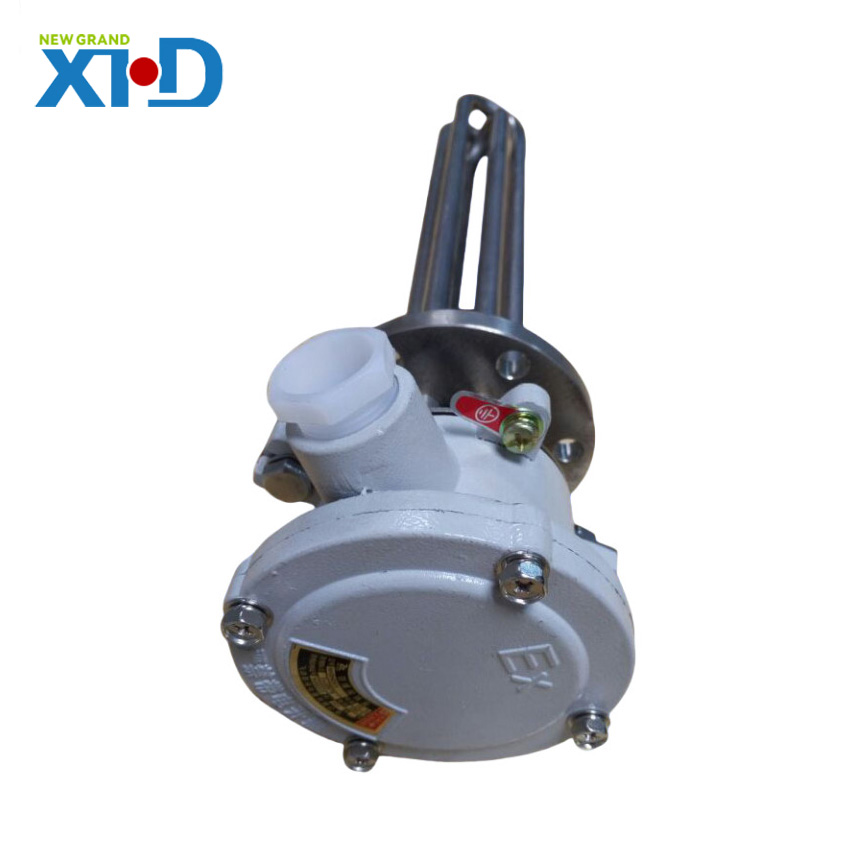
1. What Is an Immersion Heater?
An immersion heater is an electric heating element designed to be directly submerged
into a fluid, such as water, oil, chemical solutions, or process liquids. Unlike surface-mounted or
indirect heating systems, immersion heaters generate heat within the medium itself, ensuring rapid
heat transfer and minimal energy loss.
Immersion heaters are widely used across industries due to their simple structure, high efficiency,
and ability to provide precise temperature control. Manufacturers like Xinhongda specialize in designing both standard and custom immersion heaters to meet demanding industrial requirements.
2. How Do Immersion Heaters Work?
The working principle of an immersion heater is based on electrical resistance heating. When electric
current passes through the resistive element, electrical energy is converted into heat. This heat is
then directly transferred to the surrounding fluid.
Basic Working Steps
-
Electrical power is supplied to the heater terminals.
-
The resistance element heats up due to current flow.
-
Heat transfers directly to the surrounding liquid or gas.
-
Temperature is regulated using thermostats or control systems.
Because the heater is in direct contact with the medium, immersion heaters offer faster response times
and higher efficiency than indirect heating methods.
3. Types of Immersion Heaters
Immersion heaters come in various designs to suit different operating environments and heating needs.
-
Screw Plug Immersion Heaters – Ideal for pressurized tanks and pipelines.
-
Flanged Immersion Heaters – Designed for large tanks and high-power applications.
-
Over-the-Side Immersion Heaters – Easy installation for open tanks.
-
Circulation Immersion Heaters – Used in closed-loop systems for continuous heating.
-
Custom Immersion Heaters – Engineered for unique industrial processes.
4. Common Materials Used in Immersion Heaters
The choice of material significantly impacts heater performance, corrosion resistance, and service life.
|
Material
|
Key Properties
|
Typical Applications
|
|
Stainless Steel
|
Corrosion-resistant, durable
|
Water, food processing, mild chemicals
|
|
Incoloy
|
High-temperature resistance
|
Steam, air, high-heat applications
|
|
Titanium
|
Excellent corrosion resistance
|
Seawater, aggressive chemicals
|
|
Copper
|
High thermal conductivity
|
Clean water heating
|
5. Industrial Applications of Immersion Heaters
Immersion heaters play a critical role across numerous industries due to their reliability and efficiency.
-
Chemical processing and reaction tanks
-
Oil and gas heating systems
-
Food and beverage processing
-
Plastic molding and extrusion
-
Pharmaceutical manufacturing
-
Water and wastewater treatment
With tailored solutions from Xinhongda, immersion heaters can be optimized for temperature accuracy,
safety compliance, and long-term operational stability.
6. Key Advantages of Immersion Heaters
-
High energy efficiency due to direct heat transfer
-
Fast heating response time
-
Compact and space-saving design
-
Easy installation and maintenance
-
Precise temperature control
7. How to Choose the Right Immersion Heater
Selecting the right immersion heater involves evaluating several technical and operational factors:
-
Type of medium (water, oil, chemicals)
-
Required operating temperature
-
Power and voltage specifications
-
Installation method and space constraints
-
Safety and compliance requirements
Consulting with experienced manufacturers like Xinhongda ensures the heater is correctly sized and
engineered for optimal performance.
8. Maintenance and Safety Considerations
Proper maintenance extends the lifespan of immersion heaters and ensures safe operation.
-
Regular inspection for scaling or corrosion
-
Ensuring proper fluid coverage during operation
-
Using temperature and level controls
-
Following manufacturer safety guidelines
9. Immersion Heaters vs Other Heating Technologies
Compared to external heat exchangers or indirect heating systems, immersion heaters offer superior
efficiency and faster heat transfer. Their simplicity and adaptability make them a preferred choice
in many industrial environments.
10. Frequently Asked Questions (FAQ)
Are immersion heaters energy efficient?
Yes. Because heat is generated directly within the medium, energy losses are minimal.
Can immersion heaters be customized?
Absolutely. Xinhongda provides fully customized immersion heater solutions tailored to specific
industrial requirements.
What safety features are available?
Common safety features include thermostats, thermal cutoffs, and liquid level sensors.
Conclusion
Immersion heaters are a cornerstone of efficient industrial heating, offering unmatched performance,
reliability, and flexibility. Whether you need a standard solution or a fully customized design,
Xinhongda has the expertise to support your application.
To learn more about high-quality immersion heaters or to discuss your specific project requirements, contact us today and let our experts help you achieve optimal heating performance.
